Acoustic guitars are more than just musical instruments; they are works of art that resonate with the soul of both the maker and the musician. While factory-produced guitars serve their purpose well, there is something truly magical about crafting a custom acoustic guitar from scratch. This article delves into the enchanting world of luthiers and their craft, exploring the process of making custom acoustic guitars and the passion that drives these artisans.
The Artisan Luthier: The Heart and Soul of Custom Guitars
At the heart of crafting custom acoustic guitars lies the artisan luthier. These skilled craftsmen and women possess an intimate knowledge of wood, acoustics, and the nuances of guitar construction. With a keen eye for detail and a love for the instrument, luthiers create unique masterpieces that go beyond a mere musical tool. Each guitar is infused with the essence of the maker’s creativity, style, and passion, making it an extension of their artistic expression.
Choosing the Right Wood: The Foundation of Sound
Selecting the right wood is crucial in crafting a custom acoustic guitar. Different types of wood impart distinct tonal qualities, ensuring that each guitar has a unique voice. Tonewoods such as spruce, cedar, mahogany, rosewood, and maple are commonly used for various parts of the guitar, including the top, back, sides, and neck. Each piece of wood is carefully chosen for its acoustic properties and aesthetic appeal, taking into consideration factors like grain pattern, density, and responsiveness.
The Soundboard: The Heartbeat of the Guitar
The soundboard, also known as the top, is arguably the most critical component of an acoustic guitar. It is responsible for projecting the sound and determining the guitar’s tonal character. Luthiers spend countless hours carving and shaping the soundboard to optimize its responsiveness and resonance. They meticulously brace the soundboard to ensure an ideal balance between stability and flexibility, which results in a guitar that can produce rich, warm tones with excellent projection.
The Art of Bracing: Creating Balance
Bracing is a delicate and intricate process that significantly impacts the guitar’s tonal qualities. Luthiers carefully design and place the braces underneath the soundboard to control vibrations and harmonics. Different bracing patterns yield different results, from crisp and bright tones to warm and mellow ones. This artful balancing act allows luthiers to tailor the guitar’s sound to the preferences of the player or the unique character of the instrument.
Neck and Fretboard: The Bridge Between Hands and Strings
The neck and fretboard play a pivotal role in the playability of a custom acoustic guitar. Crafted from sturdy yet resonant woods, the neck is meticulously shaped to achieve optimal comfort and ease of playing. The fretboard is carefully selected, usually made of ebony, rosewood, or other hardwoods, and is adorned with precise frets to ensure accurate intonation and smooth playing across the entire length of the neck.
Finishing Touches: Artistic Detailing
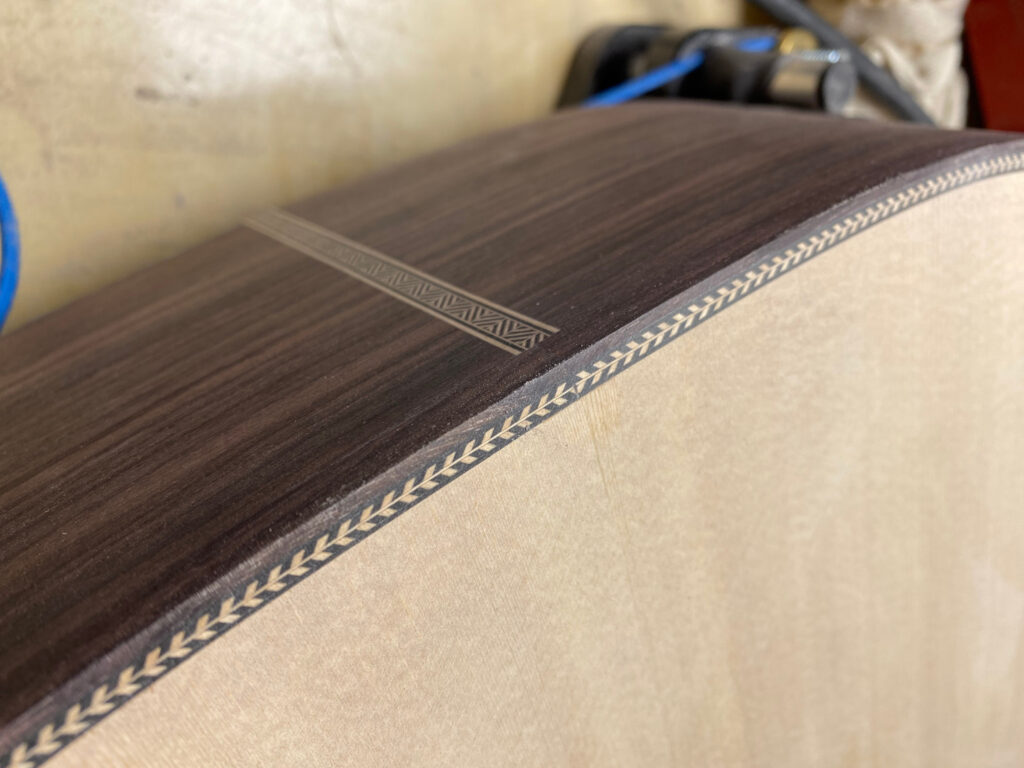
Beyond the technical aspects, luthiers add their artistic flair through intricate detailing. From exquisite inlays and bindings to decorative rosettes, every custom guitar carries the signature touch of its maker. These artistic elements not only enhance the instrument’s aesthetics but also reflect the luthier’s personality and craftsmanship.
Conclusion
Crafting custom acoustic guitars is an art form that demands a deep understanding of materials, acoustics, and an unwavering passion for music. The result is an instrument that transcends the boundaries of a mere object, becoming a tangible extension of the luthier’s soul and the musician’s creativity. Custom acoustic guitars represent the pinnacle of craftsmanship, offering players an opportunity to connect with their instrument on a deeply personal and expressive level. As long as there are luthiers devoted to their craft, the world of custom acoustic guitars will continue to enchant and inspire musicians for generations to come.